- 46 views
World Bee Day is celebrated every year on 20 May. This date was chosen by the United Nations (UN) to coincide with the birthday of Anton Janša (1734-1773), a Slovenian pioneer who is recognized as the founder of modern beekeeping.
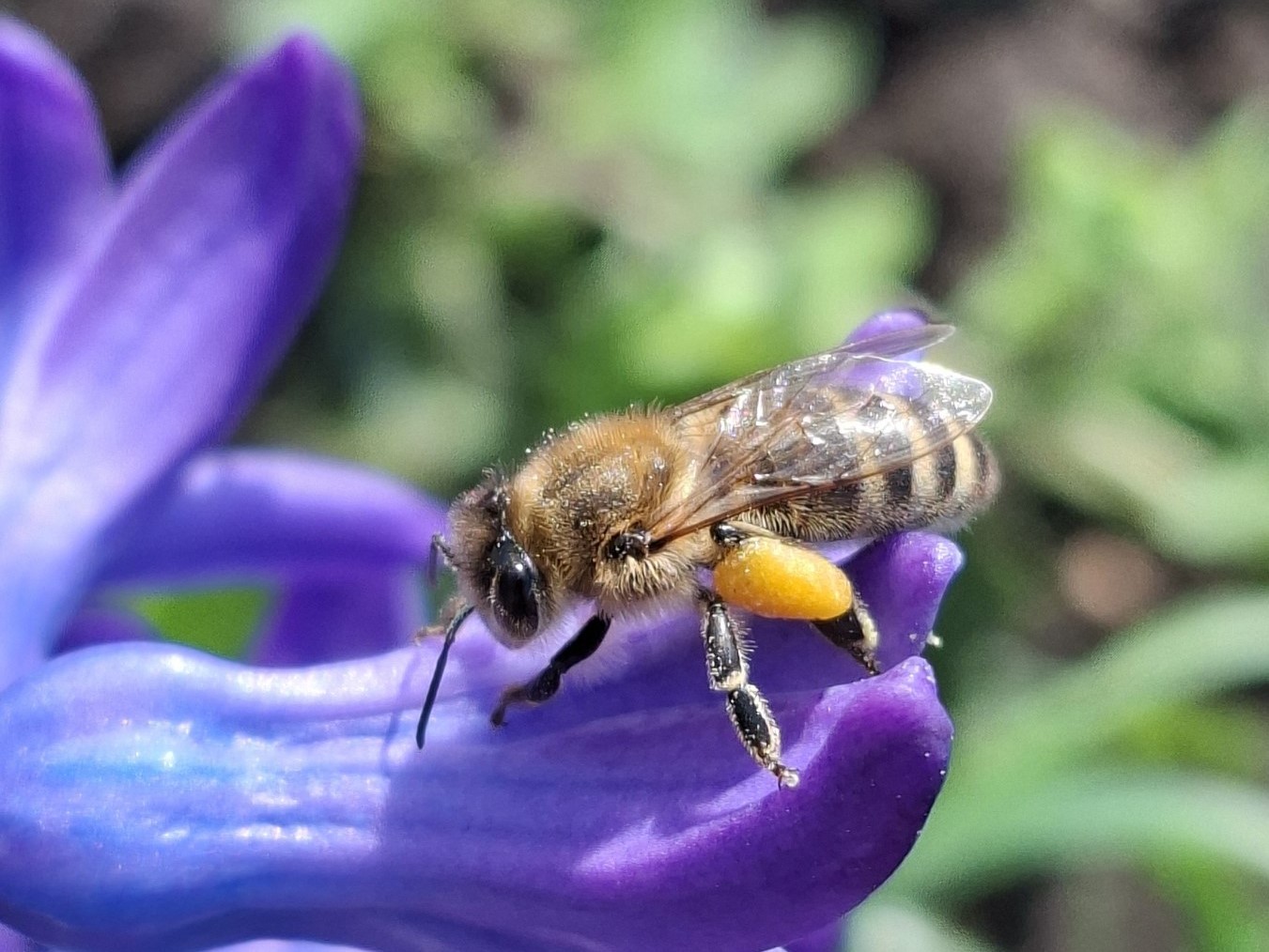
Honeybees are among the most important pollinators. Bees ensure not only agricultural productivity, but also the health and diversity of the environment – essential elements for the survival of humanity. The purpose of this day is to raise awareness by highlighting the essential role that bees and other pollinators play in maintaining biodiversity and global food security, as well as drawing attention to the threats to which bees are subject, such as habitat loss, pesticide use and climate change. Protecting bees and other natural pollinators is becoming a global priority.
The monograph “Pollinating Insects (Hymenoptera, Coleoptera, Lepidoptera, Diptera) in the Republic of Moldova”, developed by entomologists from the Institute of Zoology: Bacal Svetlana, Bușmachiu Galina, Derjanschi Valeriu, Țugulea Cristina, Calestru Livia and Enciu Elena, represents the most recent and complete scientific work analyzing the diversity and ecology of these species essential for agriculture and natural ecosystems. The work has a major strategic value for both the scientific community and society, being a civic education tool, explaining to the general public why the decline of pollinating insects directly threatens the quality of human life.
To celebrate this day at the local level, beekeepers and environmental associations often organize honey fairs, various seminars and educational exhibitions.
Cristina Țugulea, PhD
 1 Academiei str.
 +(373 22) 73-98-09